


About SCCC
The Swedish Chips Competence Centre (SCCC) is Sweden’s hub for semiconductor expertise, connecting businesses, researchers, and innovators with cutting-edge technology, training, and support.
As part of the European Network of Chips Competence Centres (ENCCC), we bridge the gap between advanced research and market deployment, helping Swedish and European companies thrive in the semiconductor industry.
Our mission
SCCC is here to:
Meet the Team
The SCCC Team
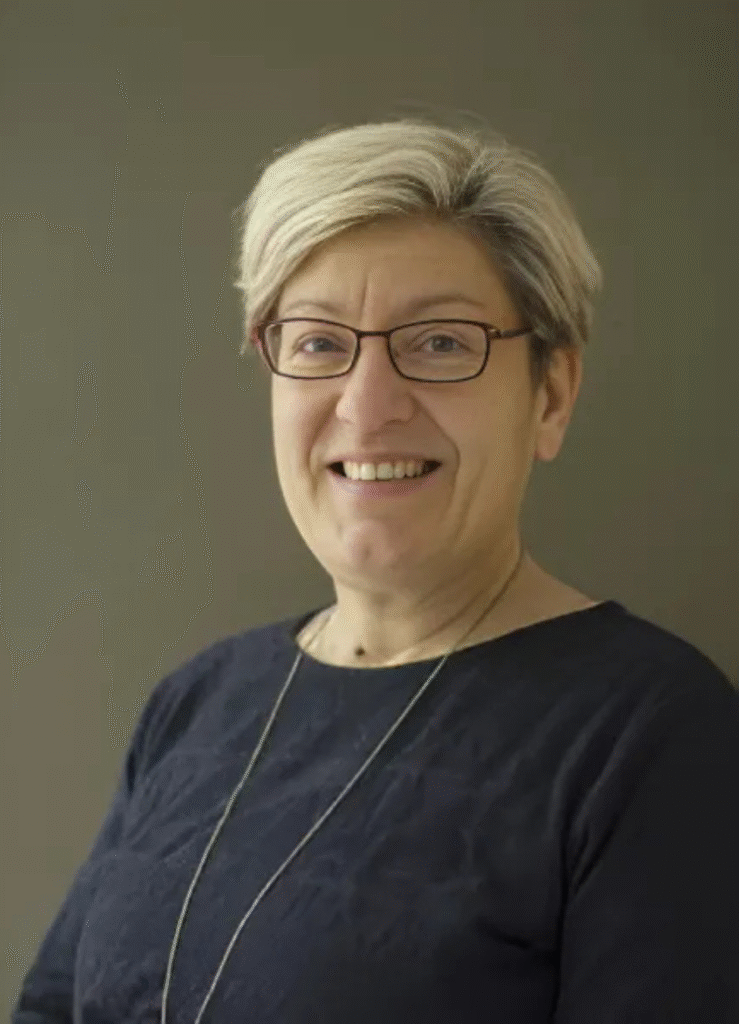
Maria Huffman
Over 30 years working in the semiconductor and solar industries in a variety of research and development as well as manufacturing roles. Managed small teams to whole departments developing next-generation technology solutions for thin-film solar, semiconductor processing, and laser optics production. During the last 10 years, Maria was the director of University cleanroom facilities in Sweden (Lund) and the US (Washington Nanofabrication Facility).
Personal note: Dedicated community builder, collaborator and strategic thinker.
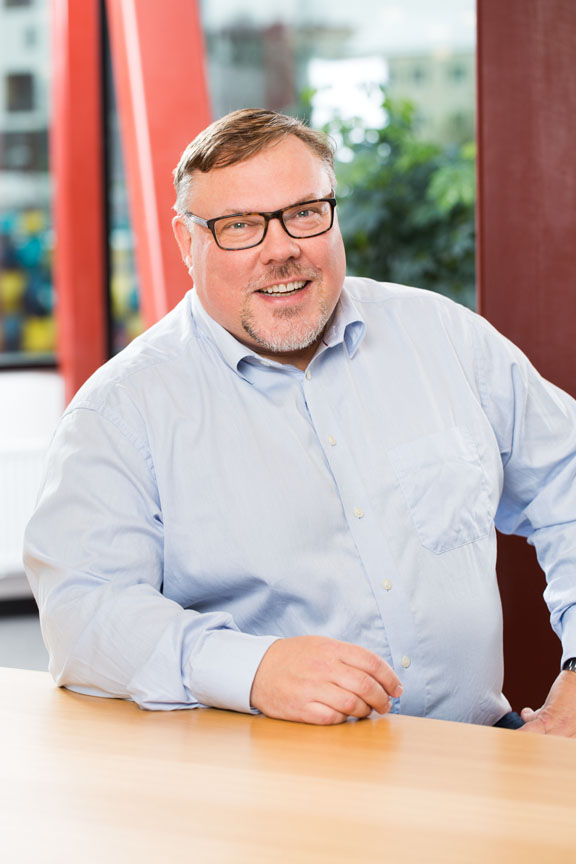
Kari Hjelt
Kari Hjelt, PhD, MBA, has extensive experience in ICT and over 15 years career in corporate venturing and research. He has been a co-founder and advisor to several high-tech SMEs. Since 2016 he has been the Head of Innovation at Graphene Flagship. He received his PhD in 1997 from Helsinki University of Technology and Executive MBA from London Business School in 2010. Kari holds 10 patents and has published 40+ reviewed publications.
Personal note: Creating business from technology.
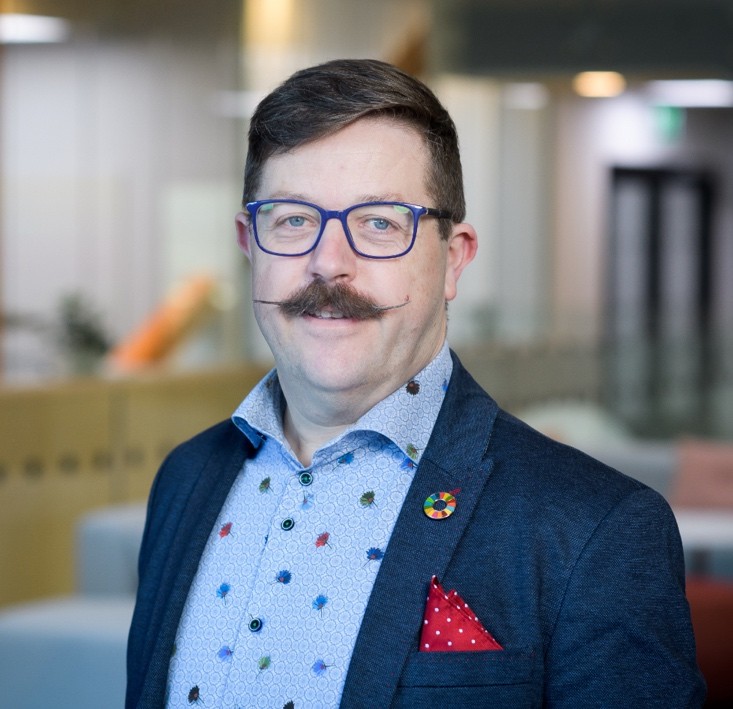
Lars Palm
Lars is an electronics engineer by training, but he has spent most of his career in the packaging industry, exploring concepts, strategies, and materials. For many years, he has been actively engaged in the exciting field of collaboration between academia and industry, working from both sides. Two years ago, he played an operational role in establishing the SCCC consortium. He has since stepped back into a more supportive capacity, while remaining involved in the management team.
Personal note: I am really looking forward to the activities by the consortium and to get in contact with the customers with tangible needs and to facilitate support.
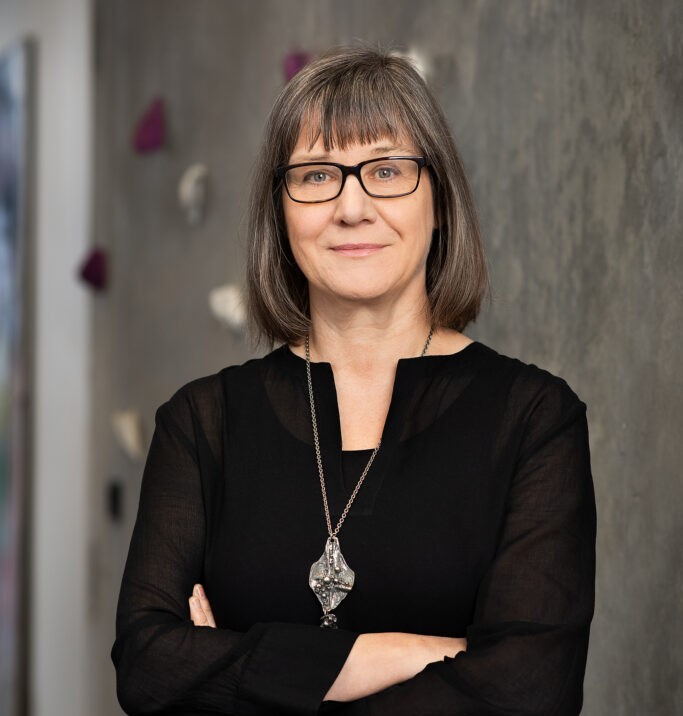
Elisabeth Sagström-Bäck
With over 35 years of experience in industrial collaboration within innovation, advanced materials, manufacturing, and production, Elisabeth has a strong track record of bridging research and industry. She has supported researchers and companies in building cooperations that rapidly bring new technologies into practical use.
Elisabeth holds an MSc in Engineering Physics from Uppsala University.
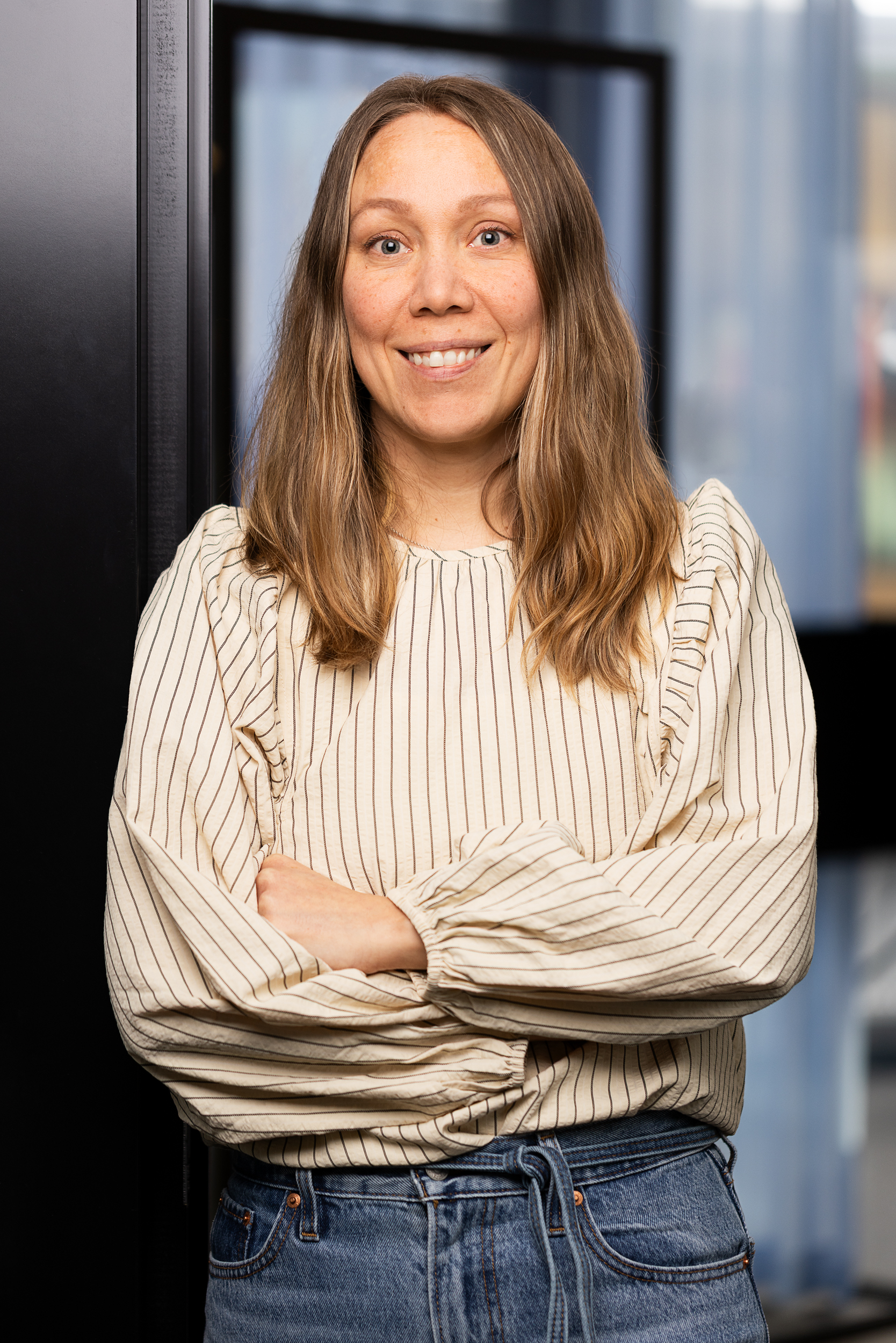
Jonna Hynynen
Jonna Hynynen has a background in materials chemistry and organic electronics, with a PhD from Chalmers University of Technology (2019). Her work includes research on safe and sustainable advanced materials, as well as related policy development. She is experienced in securing and managing research grants for academic and scientific projects. Jonna is also a member of the The Innovative Advanced Materials Initiative (IAM-I) Working Group 5.
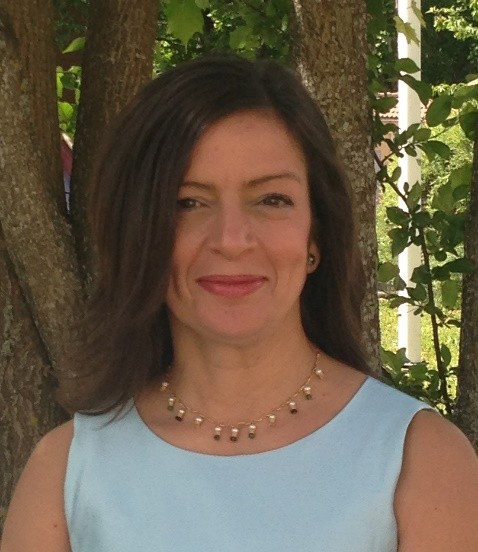
Fariba Vaziri-Sani
PhD, Associate Professor, Senior Project Manager at the Collaboration Office, Lund University. The division supporting strategic partnerships and large-scale collaboration platforms, acts as a gateway between academia, industry, public actors, and funders. Fariba also serves as Project Coordinator for the Advanced Chip Technologies (ACT) Consortium, and contributing with expertise in coordination, governance, and stakeholder engagement.
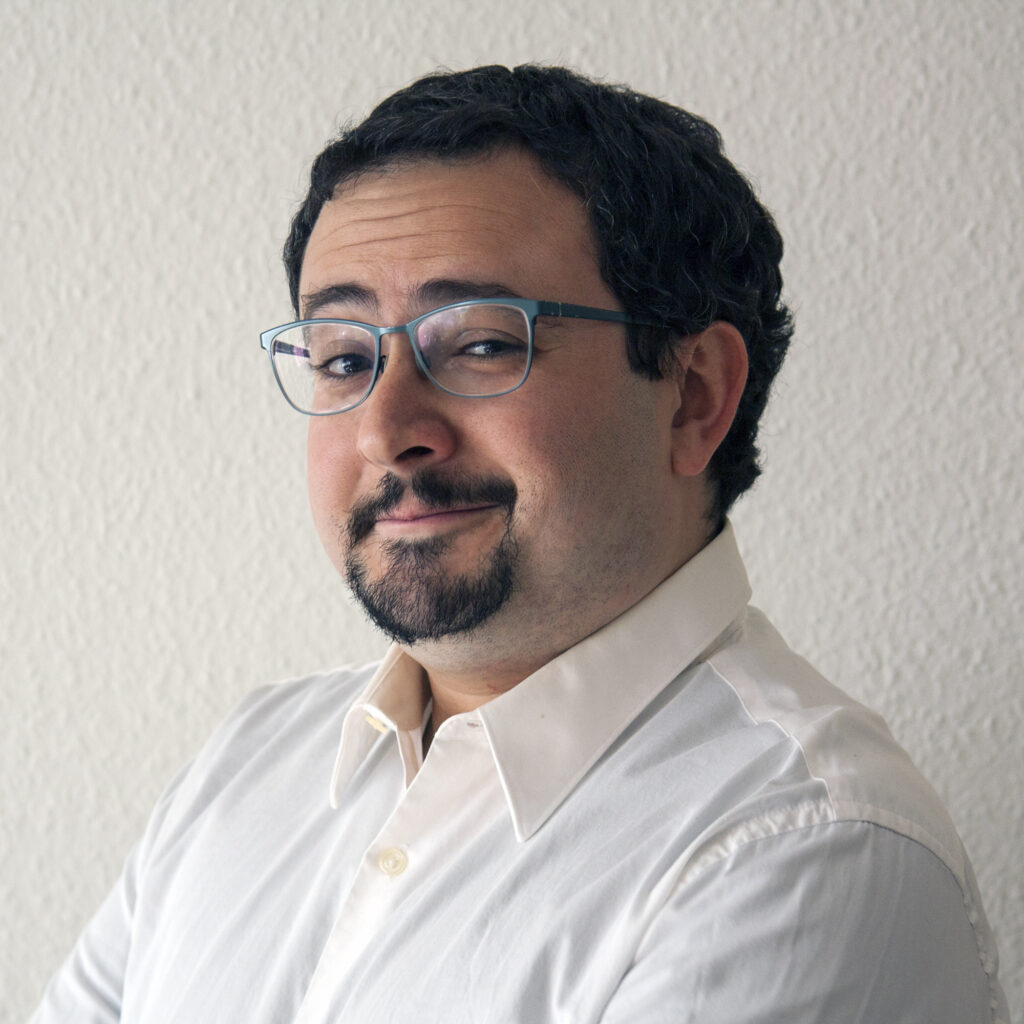
PIER PAOLO AURINO
Phd in Physics at Chalmers University in the Quantum Device Physics group.
8 years of experience in sales, customer interaction, and business development, working on an international scale, mostly focusing on customers in the Nordics. Expertise in dealing with customers in the fields of Academics, R&D, Industrial, Aerospace, Energy, Medical, High-tech and Safety.
Innately skilled and passionate in communication and teaching.
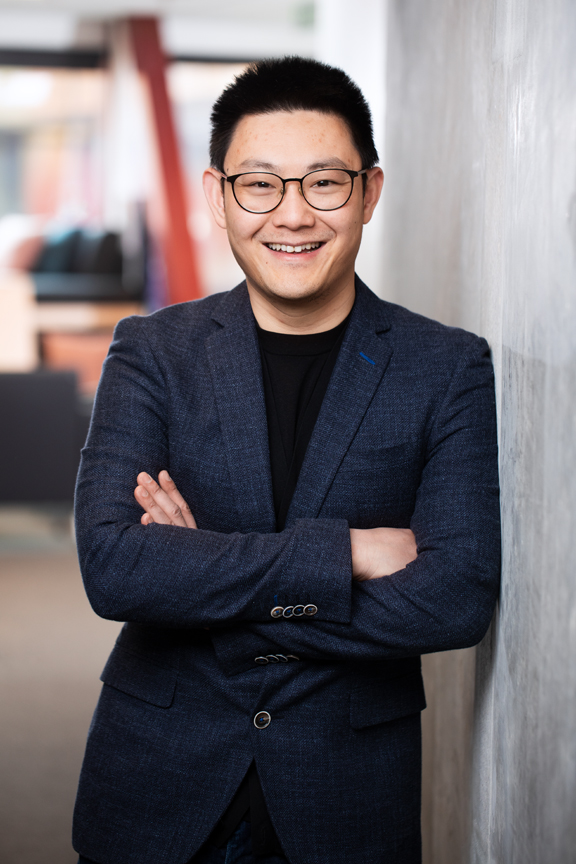
Zhongxia Simon He
IEEE Senior Member, Associate Professor, specializes in wireless communication, mixed‑signal integrated circuit design, radar systems, and terahertz circuits and packaging. He holds more than 14 granted patents across the EU, US, and China, and has authored over 100 peer‑reviewed publications. In addition to his academic contributions, he has co‑founded 5startups and was honored with the SKAPA Framtidens Innovatör Award in 2015.

linnea björn
Linnea is a project manager specializing in material development, material characterization, and energy storage. She has a PhD in advanced material characterization with a focus on synchrotron‑based X‑ray techniques. Her expertise includes structural analysis using scanning Small- and Wide-Angle X‑ray Scattering (SAXS/WAXS) and chemical characterisation using Scanning Transmission X‑ray Microscopy (STXM).
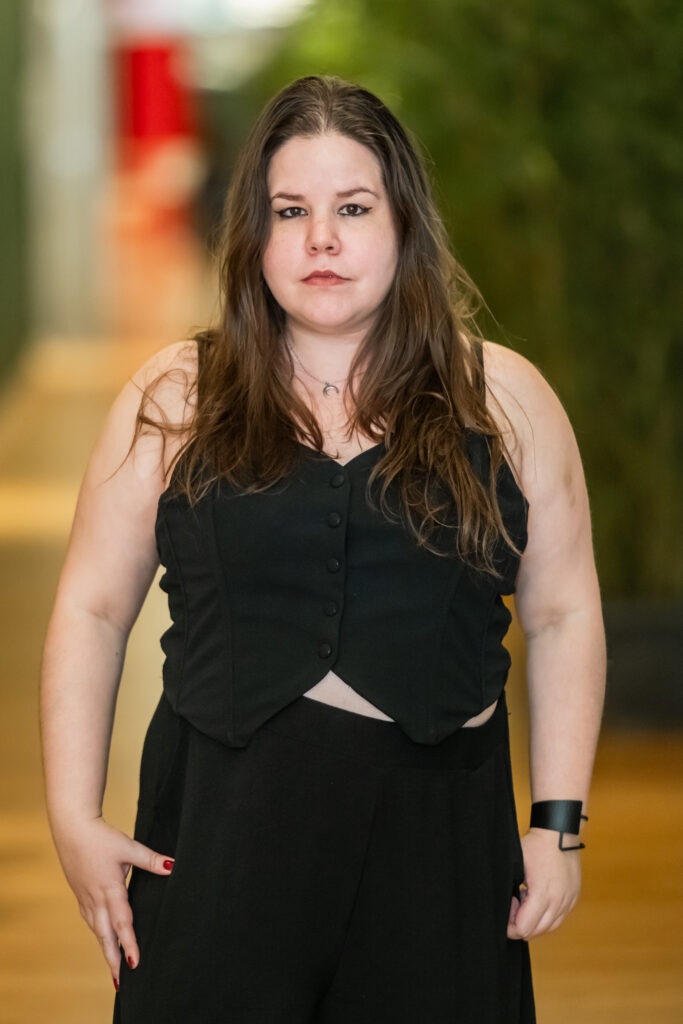
Kirsten Loewenthal
With 12 years of experience in digital marketing and social media, Kirsten designs strategies that build genuine connections. She blends data-driven insights with creativity to craft content that resonates, sparks engagement, and makes complex science accessible. Currently exploring neuromarketing to better understand how psychology and neuroscience shape decisions.
Personal note: Knowledge that isn’t shared fades away.
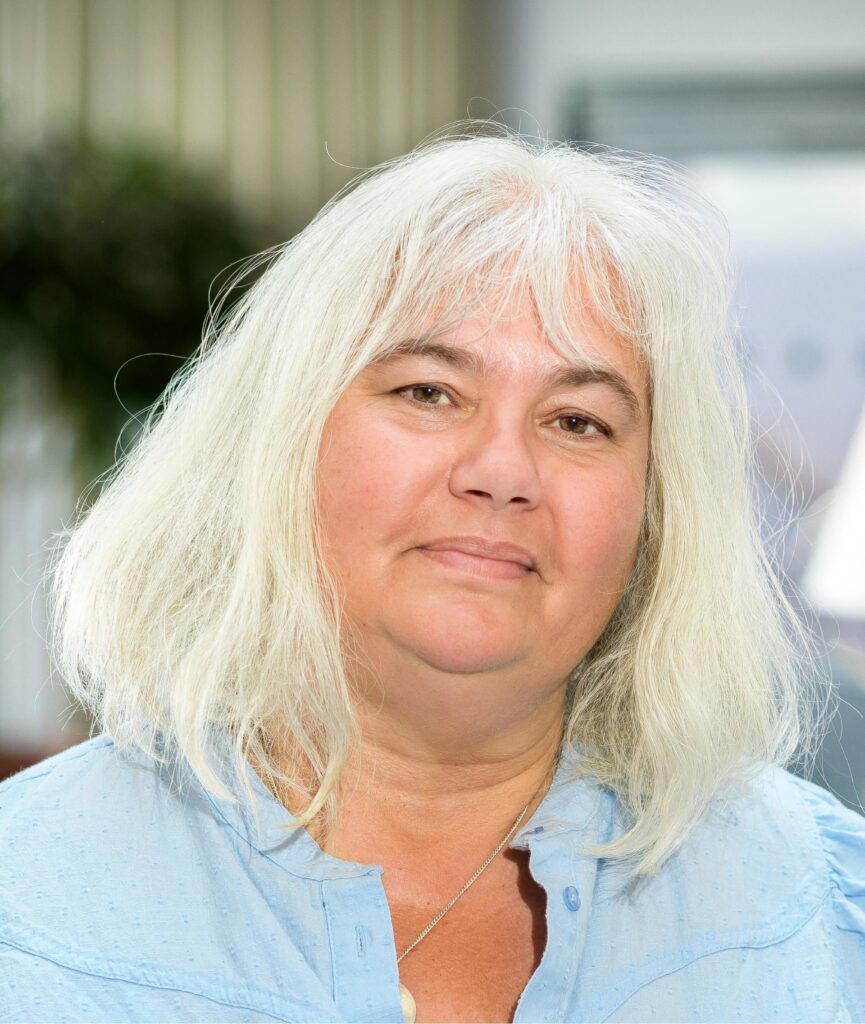
marianne loor
After many years as a Communicator, Editor, Writer and Project manager, Marianne has a broad skill set in translating research & innovation into texts, films and materials for learning/engagement with the private and public sector, civil society and policy makers. The past 15 years I have worked in large, strategic research & innovation consortia such as EIT Digital, LINXS, Mistra programmes on Sustainable Plastics, Nanosafety, Biodiversity & Business.
Personal note: We must realise that we are all different in the way we perceive the world and use this understanding as a guide to our communication with others
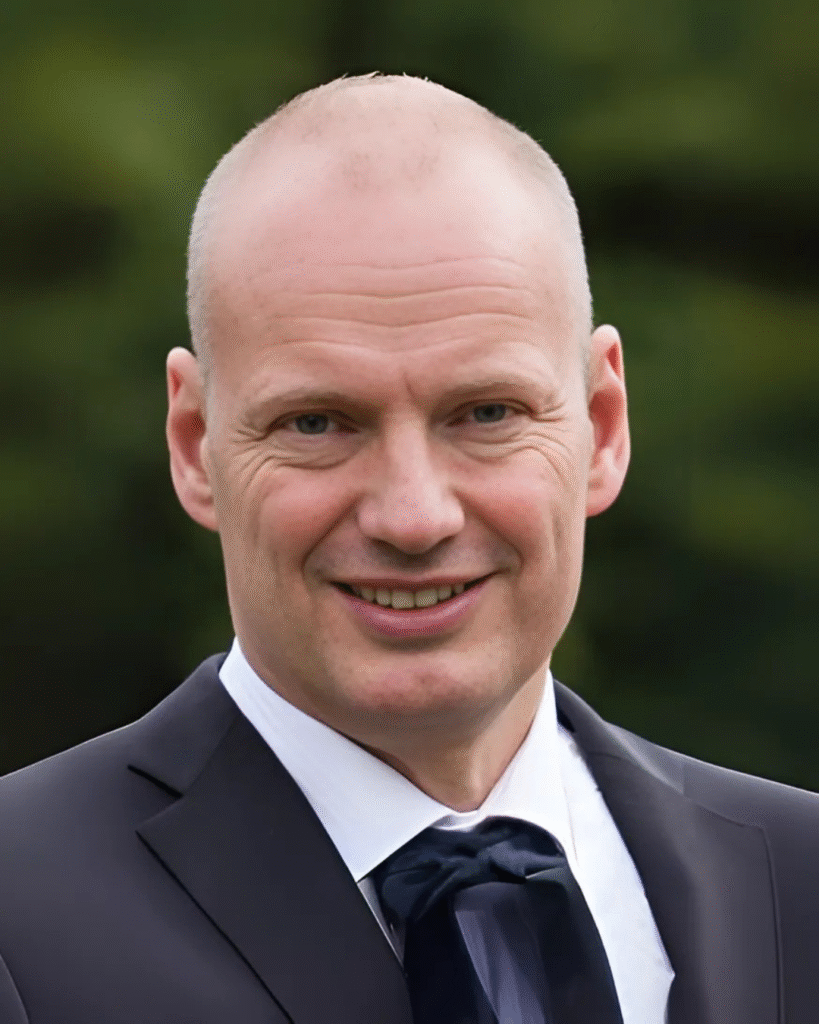
Mattias Hammar
Mattias Hammar is a Professor at the Department of Electrical Engineering at KTH. He has an extensive academic and industrial experience related to optoelectronic materials and devices, he has managed or been involved in several national and international projects within the photonics area, and he is Program Director for the International Master’s program in Nanotechnology at KTH.
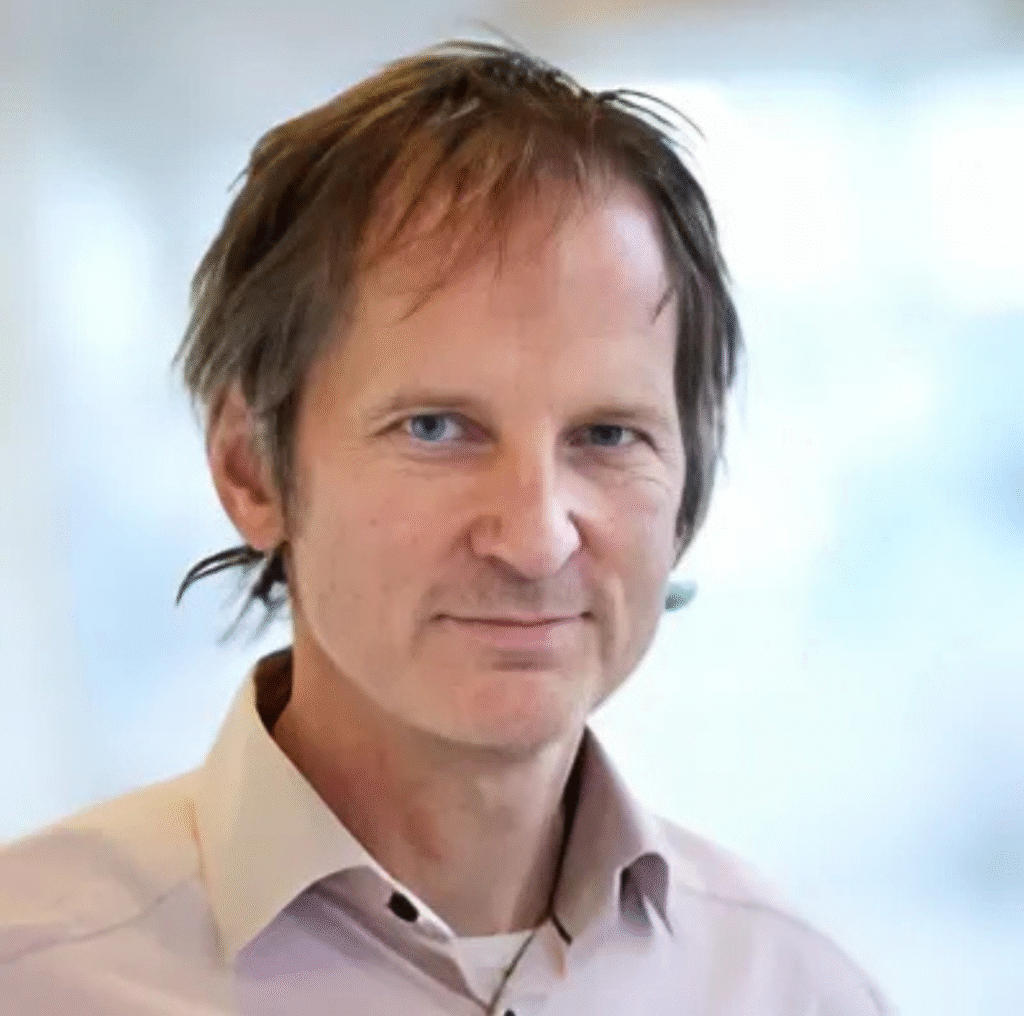
Per-Erik Hellström
Per-Erik Hellström received his Ph.D. degree in electrical engineering from KTH in 2000. In 2024 he was appointed professor. He established KTH’s FDSOI CMOS process and circuit technology. His research interests include Si and SiC process technologies, CMOS, heterogeneous integration, and devices for high-temperature operation and sensing applications. He has published more than 120 papers in refereed journals and conference proceedings.
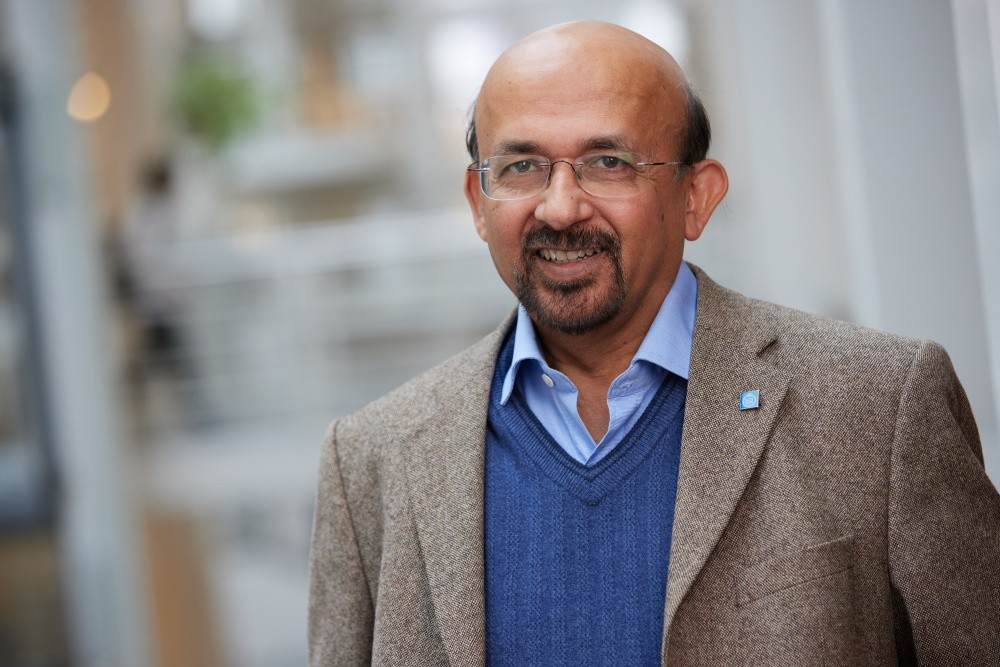
Ahmed Hemani
PhD thesis on HLS led to Cadence’s first HLS product. Developed grammar-based design methods and authored the first paper to coin the term Networks on Chip. Proposed Globally Rationchronous, Locally Synchronous clocking without round-trip penalty. Created the Lego-inspired SiLago framework, achieving 10–1000× energy efficiency over COTS. Extending SiLago to 3D in CMOS 2.0. Work also spans neuromorphic computing with memristors.
Personal note: A machine is not intelligent because it can answer questions like humans, but because it can ask questions like humans.

Saul Rodriguez
Saul Rodriguez is a Professor in Electronics at the Division of Electronics and Embedded Systems at KTH. His research area covers analog and mixed-signal ASIC for Biomedical Systems.
He has 22 granted patents in 3 patent families and is a co-author of over 100 scientific publications. He teaches courses in Analog Electronics and Analog Integrated Circuit Design at Bachelor’s, Master’s, and PhD levels.